
Key Highlights
99%
Rock-Steady Imaging Stability
90%
Improvement in Aerial Image Quality
80%
Real-Time AI Intelligence
70%
Enhanced Mission Effectiveness
60%
Reduction in Data Processing Time
40%
Expansion in Operational Capability
Precision Optics For Aerial Intelligence.
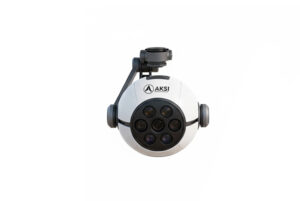
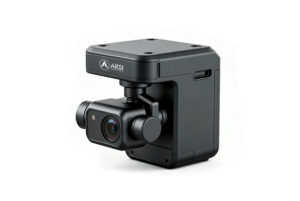
In today’s data-driven world, drones are only as powerful as the eyes they carry. High-quality aerial imaging is the key to unlocking insights in agriculture, defense, infrastructure, and environmental monitoring. At DroneOwl, we specialize in designing and manufacturing microstabilised cameras and advanced imaging payloads that give drones the ability to see with unmatched clarity and precision.
Engineering Vision for the Skies
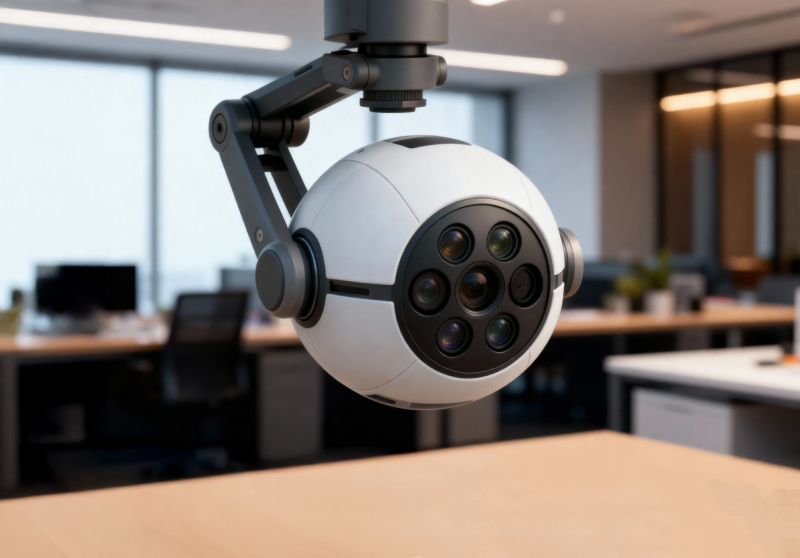
DroneOwl cameras are developed with 2-axis, 3-axis, and AI-stabilized gimbals, ensuring rock-steady imaging even in challenging environments. Whether a drone is hovering in strong winds, flying at high altitudes, or maneuvering for fast inspections, our stabilization technology guarantees that images and video remain sharp, stable, and distortion-free. Our portfolio includes payloads for:

Agriculture
Multispectral and hyperspectral cameras for crop health analysis, irrigation monitoring, and yield forecasting

Defense & Security
EO/IR (Electro-Optical/Infrared) gimbals for day-night surveillance, reconnaissance, and border patrol.

Surveying & Mapping
High-resolution RGB cameras capable of producing centimeter-level orthophotos and 3D models.

Emergency Response
Thermal imaging for search-and-rescue, fire detection, and disaster management.
Smart Imaging with AI
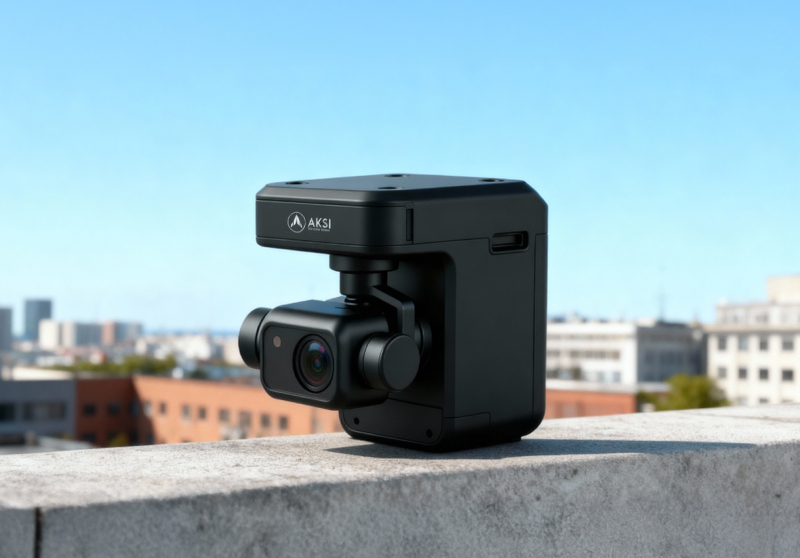
DroneOwl is not limited to capturing visuals. By integrating AI and edge-computing capabilities directly into our cameras, drones can process data in-flight. This enables.
- Object Recognition & Tracking – Identifying and following vehicles, people, or assets in real time.
- Anomaly Detection – Automatically flagging structural faults, heat leaks, or unusual patterns.
- Predictive Analytics – Providing early warnings for crop diseases, equipment failures, or security breaches.
With these capabilities, DroneOwl transforms imaging from passive observation into active intelligence.
Future Outlook: Intelligent Eyes in the Sky
DroneOwl’s roadmap is ambitious. We are developing:
Edge-AI cameras
Capable of running machine-learning models onboard.
Ultra-lightweight
Gimbals for sub-250g UAVs to expand into consumer markets.
Long-Range EO/IR Systems
For defense and border security.
Integrated LiDAR-camera solutions
For 3D terrain modeling and infrastructure mapping.
By 2030, we aim to establish DroneOwl as a global leader in UAV imaging systems, competing with the world’s top optical payload manufacturers.
Why DroneOwl Matters
- For Agriculture: Helps farmers reduce input costs, increase yields, and move toward precision farming.
- For Defense & Security: Provides armed forces and law enforcement with real-time situational awareness and tactical advantage.
- For Industry: Supports infrastructure maintenance, pipeline inspection, and smart city monitoring with actionable insights.
- For Investors: Enters a multi-billion-dollar UAV payload market, where demand for advanced imaging is growing rapidly.
Global Reach, Local Roots
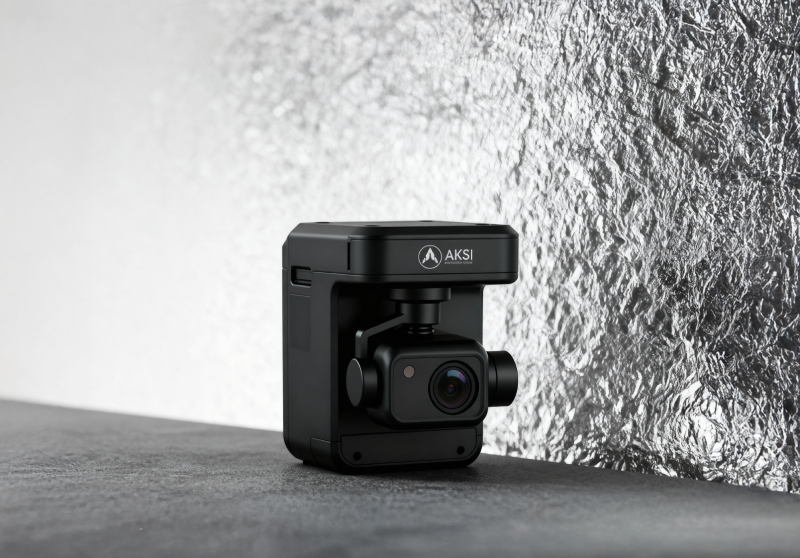
While built with Indian innovation, DroneOwl’s imaging solutions are designed for global deployment. With applications spanning Asia, Africa, Europe, and beyond, our cameras are set to empower industries, governments, and humanitarian missions worldwide.
At DroneOwl, we are not just building cameras. We are creating the intelligent eyes of tomorrow’s UAVs — eyes that will help humanity see farther, act faster, and decide smarter.
Perfect — here’s the Roboclave – Composite Manufacturing content rewritten in the same five-section AKSI company format, matching the tone and structure of DroneVation, Slatup, KhetPilot, KKA, LiHi, and Motopropel.
The introduction is fixed within the 125–150 word range, and the Product Highlights section is kept open for future detailing.